
Off-Season Training: How to Stay Hunt-Ready Year Round
Right now is the best time to begin your prep for the fall.
Cabin fever is setting in, and we’re all itching to get outside and get moving. But when the temps are hanging too low for a hike, getting up and creating a routine for movement is crucial for long-term success in the backcountry.
The reality is simple: hunting is physical.
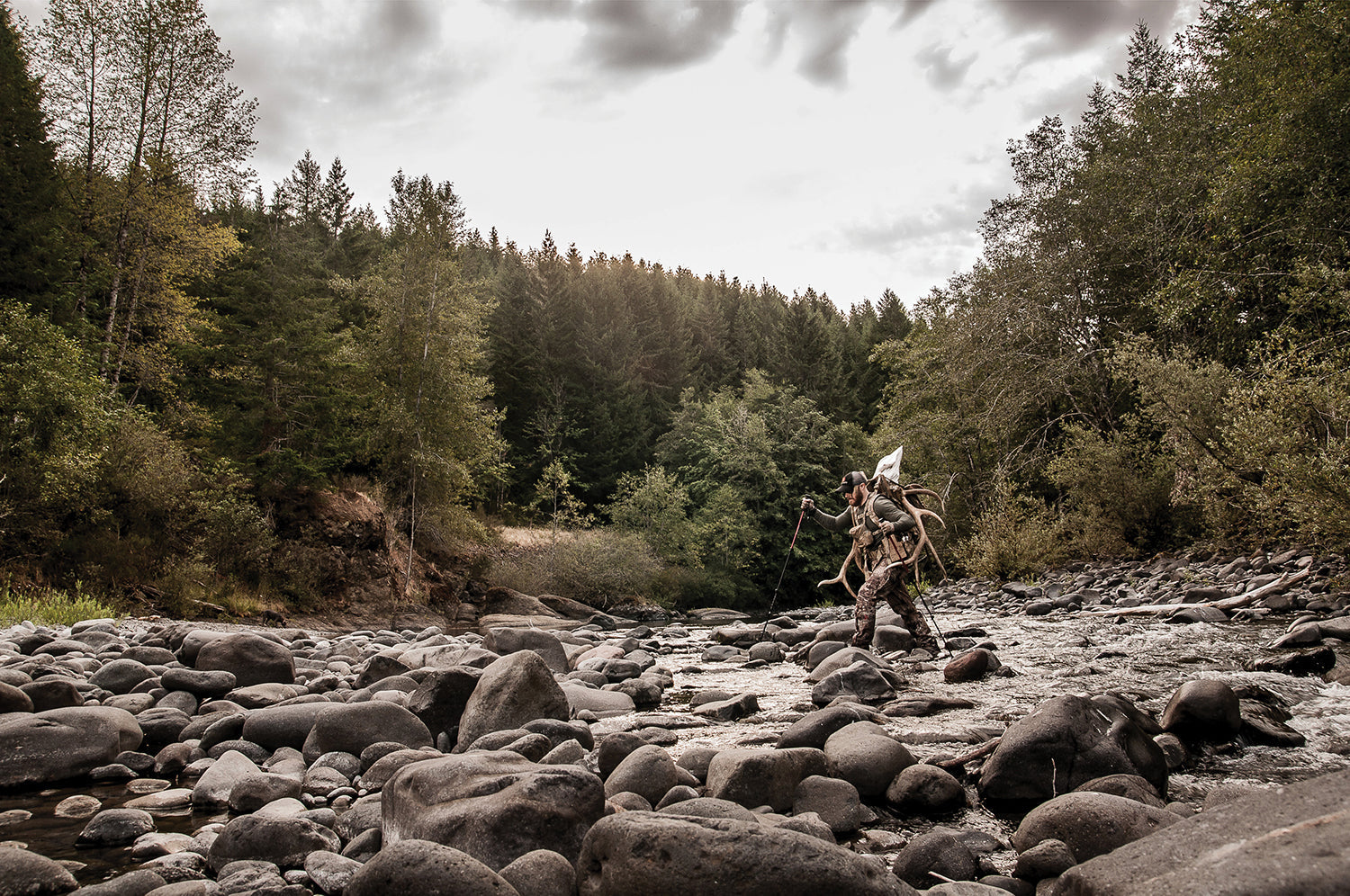
Whether you’re chasing whitetails in the Midwest or elk in the mountains, your body is one of your most important pieces of equipment. Long hikes in uneven terrain, hours on your feet, drawing a bow in cold weather, packing out meat — these all demand strength, endurance, and durability.
The off-season is where that foundation is built.
1. Build Your Engine (Cardiovascular Endurance)
You don’t need to train like a marathon runner — but you do need a solid engine.
At Home:
-
Brisk walks around the neighborhood
-
Step-ups on a sturdy box or stairs
-
Jump rope intervals
In the Gym:
-
Incline treadmill walks (add a weighted pack once comfortable)
-
Stair stepper sessions
-
Rowing machine intervals
Start with 20–30 minutes, 2–3 times per week. Gradually increase time or intensity.
2. Strengthen Your Legs (The Foundation)
Strong legs carry you up ridges and through timber — and they protect your knees when descending.
Focus on:
-
Squats (bodyweight, goblet, or barbell)
-
Walking lunges
-
Step-ups
-
Romanian deadlifts
You don’t need max weight. Controlled, consistent reps build durability. Aim for 2–3 lower body sessions per week.
3. Train for the Pack-Out
Packing out meat is awkward, heavy, and taxing. Prepare for it.
Simple tools:
-
Backpack loaded with sandbags or weight plates
-
Farmer carries (holding heavy dumbbells and walking)
-
Sandbag bear hugs
-
Deadlifts
Carries are especially valuable. They build grip strength, core stability, and mental toughness — all crucial when the job isn’t done after the shot.
4. Build a Strong Core and Better Balance
Uneven ground, creek crossings, and sidehilling demand stability.
Add:
-
Planks (front and side)
-
Single-leg Romanian deadlifts
-
Bulgarian split squats
-
Stability ball or balance work
Strong stabilizer muscles reduce injury risk and keep you moving confidently.
5. Don’t Ignore Mobility
Flexibility and mobility keep you efficient and pain-free.
Spend 5–10 minutes after workouts on:
-
Hip flexor stretches
-
Hamstring stretches
-
Ankle mobility
-
Thoracic spine rotation
A mobile hunter wastes less energy and recovers faster.
A Simple Weekly Template
3 Days Strength + 2–3 Days Cardio
Example:
-
Monday: Lower body + core
-
Tuesday: Cardio
-
Wednesday: Upper body + carries
-
Thursday: Rest or light mobility
-
Friday: Lower body
-
Saturday: Long incline walk or pack hike
-
Sunday: Rest
Keep it simple. Stay consistent.
The Real Advantage
Gear helps. Technology helps. But physical preparation gives you options.
It allows you to:
-
Go one ridge farther
-
Sit comfortably all day
-
Make a steady shot when your heart rate is elevated
-
Pack out your animal safely
The off-season isn’t downtime. It’s opportunity.
Start now — and when the leaves start to change, you won’t just be hoping you’re ready.
You’ll know you are.
Share:
Black Lobo
Swimming for Brown Bear